
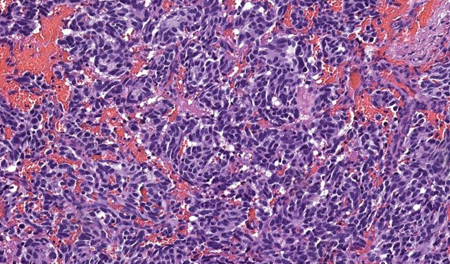
Sarcomas, Skin, Neuro-Endocrine
Rare cancers include a diverse group of uncommon malignancies such as sarcomas, skin cancers, and neuro-endocrine tumors. These cancers often behave differently from common cancers and require specialized expertise, precise diagnosis, and individualized treatment strategies. With advances in precision oncology, molecular diagnostics, and immunotherapy, outcomes for many rare cancers have improved. Dr. (Prof.) Jyoti Bajpai offers expert, personalized care for rare and complex cancers, including advanced and treatment-resistant cases.
Treatment Options
Treatment for rare cancers is highly individualized and based on cancer type, molecular profile, stage, and patient condition. Treatment options may include:
- Chemotherapy – Systemic treatment for controlling tumor growth
- Targeted Therapy – Precision medicines guided by tumor biology
- Immunotherapy – Advanced immune-based treatment for selected rare cancers
- Combined Modality Treatment – Integration with surgery and radiation when appropriate
- Supportive & Palliative Care – Symptom management and quality-of-life support
Causes & Risk Factors
While the exact causes of rare cancers are often unclear, certain factors may increase risk:
- Genetic predisposition or inherited syndromes
- Previous radiation exposure
- Environmental or occupational exposures
- Chronic inflammatory or immune-related conditions
- Hormonal and metabolic factors
- Unknown or sporadic causes
Prevention & Early Detection
Early detection plays a critical role in improving outcomes for rare cancers:
- Awareness of persistent or unusual symptoms
- Early medical evaluation for unexplained lumps or pain
- Regular follow-up for high-risk individuals
- Genetic counseling when indicated
- Prompt referral to a specialist for rare diagnoses
- Timely diagnostic imaging and biopsy when required
Why Choose Expert Care?
Rare cancers demand specialized expertise, multidisciplinary coordination, and individualized treatment planning. Under Dr. (Prof.) Jyoti Bajpai’s care, patients benefit from globally aligned protocols, advanced therapies, and compassionate care focused on long-term disease control and quality of life.