
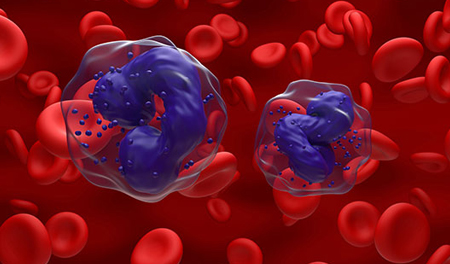
Chronic Leukemias
Chronic leukemias are slow-growing cancers of the blood and bone marrow that often progress over time. The most common types include Chronic Myeloid Leukemia (CML) and Chronic Lymphocytic Leukemia (CLL). With modern diagnostics and targeted therapies, many patients with chronic leukemia can achieve long-term disease control and maintain a good quality of life. Dr. (Prof.) Jyoti Bajpai provides personalized, evidence-based care for chronic leukemias across all stages of disease.
Treatment Options
Treatment for chronic leukemias depends on leukemia type, disease phase, molecular characteristics, and patient health. Treatment options may include:
- Targeted Therapy – Precision medicines that control leukemia at the molecular level
- Immunotherapy – Immune-based treatments for selected leukemia subtypes
- Chemotherapy – Used in specific situations or advanced disease
- Watchful Waiting – Careful monitoring for stable, early-stage disease
- Supportive Care – Management of infections, anemia, and treatment-related side effects
Causes & Risk Factors
The exact cause of chronic leukemias is often unknown, but several factors may increase risk:
- Genetic abnormalities affecting blood cell production
- Increasing age (especially for CLL)
- Family history of blood cancers
- Exposure to high levels of radiation
- Previous chemotherapy or radiation therapy
- Weakened immune system
Prevention & Early Detection
While chronic leukemias cannot always be prevented, early diagnosis helps improve long-term outcomes:
- Regular health check-ups and blood tests
- Early evaluation of persistent fatigue or infections
- Prompt consultation for unexplained anemia or bruising
- Monitoring individuals with known risk factors
- Timely referral to a specialist for abnormal blood results
- Ongoing follow-up for early-stage disease
Why Choose Expert Care?
Chronic leukemia management requires precise molecular diagnosis, long-term monitoring, and personalized therapy. Under Dr. (Prof.) Jyoti Bajpai’s care, patients receive globally aligned treatment strategies with a strong focus on disease control, safety, and sustained quality of life.